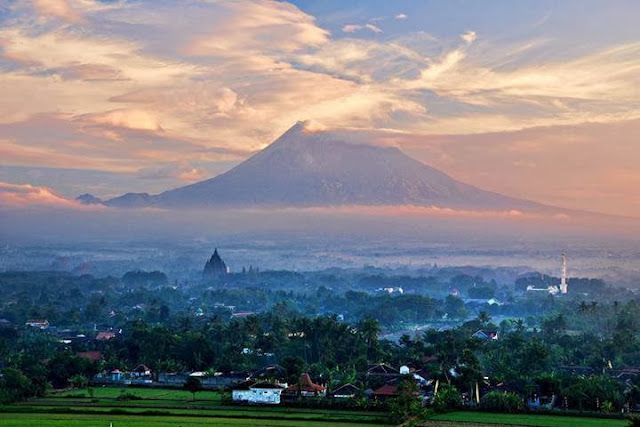

Yogyakarta works best when travelers plan by area rather than by attraction. Temples, royal landmarks, beaches, caves, and volcanic landscapes spread across several directions. This Yogyakarta Travel Planning Guide helps travelers aged 25 and above build a practical itinerary with time for culture, comfort, and spontaneous stops. Moreover, smart planning reduces long transfers.
Choose the Right Length of Stay
Give Yogyakarta two or three full days if you want more than a quick overview. Use one day for the city, another for major temples, and a third for nature or adventure.
For example, combine Keraton, Taman Sari, Malioboro, and Kotagede in a city-focused day. Then, use a separate day for Borobudur or Prambanan. This approach gives each area enough attention.
Plan Your Route by Area
Yogyakarta becomes easier to explore when you group nearby destinations. The regional tourism authority also presents routes by area, including Prambanan, Merapi, Yogyakarta City, Bantul beaches, Kulon Progo, and Gunungkidul.
Therefore, avoid crossing the region several times in one day. Pair Prambanan with Ratu Boko, or combine Goa Pindul with a nearby Gunungkidul beach.
For more destination ideas, explore this guide to the top attractions and cultural sites in Yogyakarta.
Choose Transportation That Matches Your Route
Central Yogyakarta works well for walking, ride-hailing, and public transport. Trans Jogja also connects several tourist areas and provides an official app for route information.
However, temples, beaches, caves, and mountain areas often require longer transfers. Private transport can make these days more efficient. In addition, the KSPN tourism transport network has offered routes from Malioboro toward Borobudur, Parangtritis, and Pantai Baron.
Check current schedules before relying on any service. Transport routes, fares, and operating times can change.
Start Early for Major Attractions
Early departures give you more flexibility. They also help you avoid placing every major stop in the hottest part of the day.
Start early for Borobudur, Mount Merapi, or long Gunungkidul routes. Meanwhile, keep central-city attractions for a slower afternoon or evening.
Do not plan every hour too tightly. Instead, leave room for meals, traffic, weather changes, and longer visits.
Balance Culture, Nature, and Rest
A strong Yogyakarta itinerary should include variety. Mix temples and museums with countryside, food, or outdoor experiences.
For example, follow a temple day with a lighter city day. Then, choose a beach, cave, or Merapi experience for your next full-day trip.
Travelers aged 25 and above may value slower meals, coffee stops, and comfortable transfers. Therefore, treat rest time as part of the itinerary.
Prepare for Weather and Local Conditions
Carry water, sun protection, comfortable footwear, and a light rain layer. Weather can affect viewpoints, outdoor activities, and travel times.
Moreover, check current opening hours, ticket rules, volcanic updates, and activity conditions before departure. Follow local instructions at temples, beaches, caves, and Mount Merapi.
Build a Flexible Travel Plan
Reserve your essential attractions first, then keep secondary stops flexible. This strategy protects your priorities without turning the trip into a checklist.
Finally, consider private Yogyakarta tours with flexible local itineraries if you want simpler transfers between major areas. A driver can also help you adjust the route when weather or traffic changes your plan.
Conclusion
This Yogyakarta Travel Planning Guide helps you organize the region around time, distance, comfort, and personal interests. Group nearby attractions, start long-distance days early, and leave space for rest. Moreover, balance heritage with nature and local experiences. With a flexible plan, Yogyakarta becomes easier to explore.