
Hookah smoking culture around the world tells a fascinating story about how a single tradition born centuries ago in the Middle East has quietly woven itself into the social fabric of dozens of countries across vastly different continents. What began as a ceremonial and communal practice in Persian and Ottoman societies has since traveled far beyond its geographic origins to find enthusiastic new communities in Europe, Asia, and the Americas.
The remarkable thing about this cultural journey is how each region has absorbed and reinterpreted hookah according to its own social values, aesthetics, and gathering rituals without ever losing the essence of what makes the experience so universally appealing in the first place.
The Middle Eastern Roots of Hookah Culture
No conversation about global hookah culture is complete without acknowledging the deep historical foundations laid across the Middle East and North Africa, where the tradition carries genuine social and ceremonial weight.
Egypt and Turkey as Cultural Epicenters
Cairo’s traditional coffeehouses and Istanbul’s historic meyhanes have served as the original incubators of hookah culture, where sharing a pipe over conversation has been a social cornerstone for centuries.
- In Egypt, the ahwa or traditional coffeehouse remains an active cultural institution where men and women gather to share shisha, play backgammon, and discuss everything from politics to poetry in an atmosphere of unhurried conviviality.
- Turkish hookah culture places particular emphasis on the quality of preparation, with experienced narghile masters taking genuine pride in their packing technique, charcoal placement, and the consistency of every session they serve.
How Western Countries Adopted the Tradition
Europe and North America encountered hookah culture primarily through immigration and the global spread of Middle Eastern cuisine and hospitality, eventually developing their own distinct relationship with the practice.
The Lounge Culture Phenomenon in Europe
Major European cities including London, Berlin, and Paris developed thriving hookah lounge scenes throughout the early 2000s that attracted both immigrant communities seeking familiar comfort and curious locals drawn by the exotic appeal.
- European hookah lounges quickly differentiated themselves by blending Middle Eastern hospitality with contemporary interior design, creating atmospheric spaces that appealed to a much broader demographic than traditional coffeehouses ever reached.
- The European market also drove significant innovation in hookah equipment design, with German manufacturers in particular channeling their engineering culture into producing technically superior products that are now exported globally.
The Role of Quality Charcoal Across All Cultures
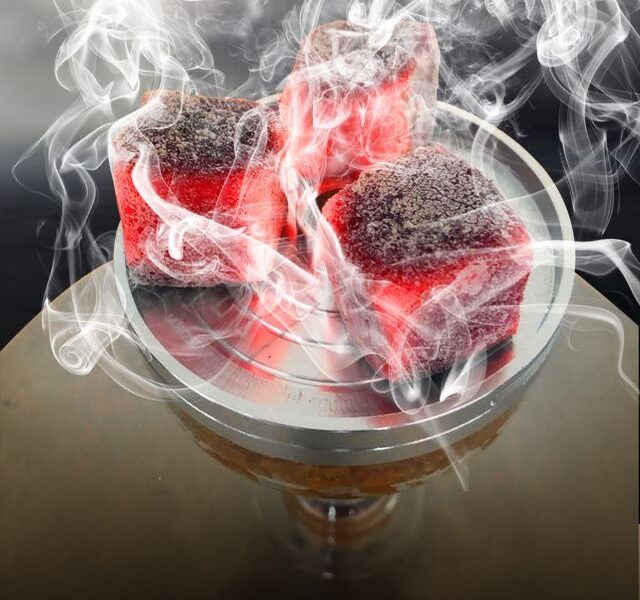
Regardless of geography or cultural context, the charcoal burning beneath the bowl remains the universal foundation upon which every great hookah session is built anywhere in the world.
Natural coconut shell charcoal has become the globally preferred choice among serious enthusiasts precisely because it burns cleanly and consistently across all climate conditions and bowl configurations. Shisha charcoal from indobriquettescharcoal.com supports hookah communities worldwide by delivering reliable heat output that honors the cultural ritual of the session regardless of where in the world it takes place.
Conclusion
From Egyptian coffeehouses to Berlin lounges and Mumbai rooftop bars, hookah smoking culture around the world continues to evolve while maintaining the core values of community, conversation, and shared enjoyment that have defined it for centuries. Each culture brings something unique to the tradition, enriching the global tapestry of what hookah means to millions of people daily.
What connects every one of these diverse cultural expressions is a shared commitment to quality in every aspect of the session, from the equipment chosen to the charcoal that keeps the experience alive from the very first draw to the last.